Love That for You: A Designer's Review
I have spent years stitching everything from delicate heirloom pieces to high-volume commercial runs, and I know that the difference between a design that sells out and one that gathers dust often comes down to practical application. When I first saw Love That for You, my initial reaction wasn't just about the retro groovy vibe, but how it would translate from a digital graphic into a tactile handmade product. This isn't just another generic T-Shirt Designs asset; it feels like a specific mood board come to life, ready to be tested on real fabric.
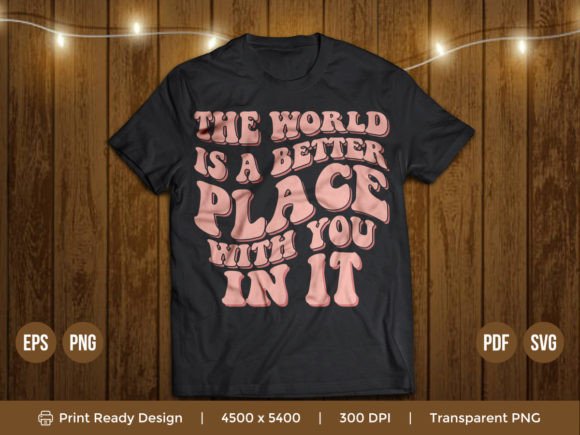
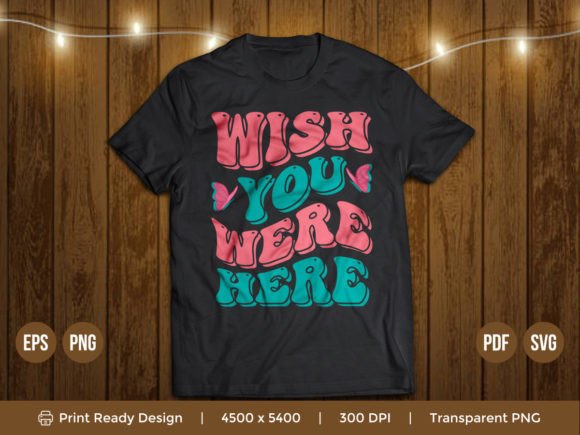
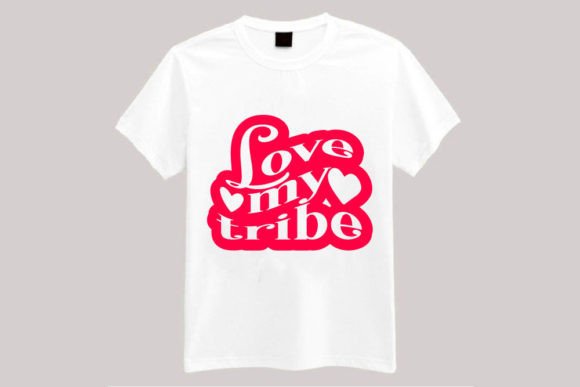
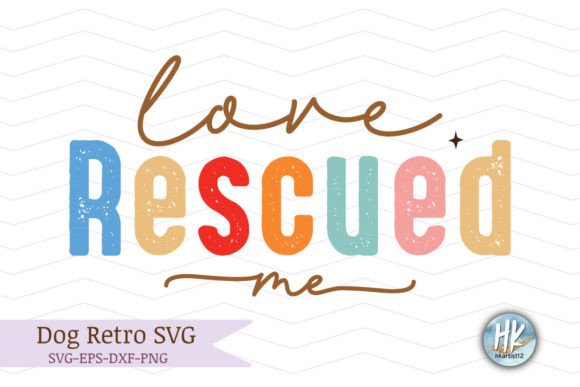
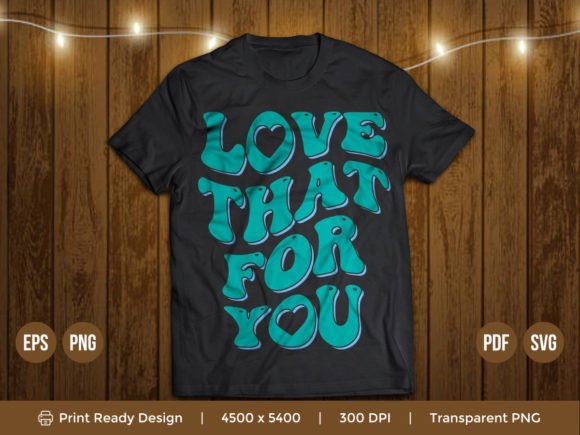
The visual personality of Love That for You screams warmth and nostalgia. It captures that specific era where bold statements met soft curves, making it an excellent candidate for custom apparel that needs to feel personal rather than mass-produced. The layout suggests a central focal point with text that wraps around or sits beneath, creating a balanced composition that works well for chest placements on sweatshirts or centered motifs on tote bags. However, as a designer, my job is to look past the pretty mockup and see the stitch lines underneath.
From Screen to Stitch: Real-World Application
Let's imagine a scenario. You are preparing inventory for a local craft fair or updating your Etsy shop for the holiday season. You need a piece that resonates with customers looking for something unique but not overly complicated. I decided to test Love That for You on a vintage-style canvas tote bag intended as a gift for a friend who supports small businesses. The goal was to create a statement piece that felt cozy and welcoming.
The design performed surprisingly well in this context. The retro aesthetic translated beautifully onto the textured canvas, hiding minor imperfections that might show up on smoother fabrics. The phrase "Welcome to My Store" and the supportive message naturally lent themselves to a boutique branding project. When stitched, the satin stitch areas provided a nice sheen that caught the light, while the running stitch elements added a softer, handcrafted touch. It felt less like a machine-made logo and more like a personalized gift, which is exactly what buyers want when they pay a premium for craft business items.
This same design could easily transition to a baby item, such as a onesie or a nursery blanket. The friendly tone of the quote makes it perfect for a baby embroidery project, perhaps embroidered on a soft cotton swaddle or a hooded towel. The visual appeal here is crucial because parents are looking for designs that convey safety, love, and a touch of whimsy. Love That for You delivers that emotional connection immediately, potentially increasing customer trust and engagement before they even read the description.
Where Caution Is Required
Despite its charm, no design is universal, and Love That for You has specific limitations that every embroidery designer must respect. If you plan to use this on a curved surface like a baseball cap or a fitted hat, you will need to be very careful with the hoop size and the density of the stitches. The retro curves might distort if the underlying fabric stretches too much during the hooping process.
Similarly, attempting this on thin or stretchy fabric without proper stabilization is a recipe for puckering. The design likely contains areas of fill stitch that require stability to lay flat. If you try to embroider this on a loose-weave linen or a lightweight jersey t-shirt without a heavy-duty stabilizer, the result could be messy, ruining the professional look of your finished product. I also advise caution with dark fabrics unless you have access to a high-quality underlay thread color. Without it, the retro colors might bleed into the background, losing the crisp definition that makes the design so appealing.
Another area to scrutinize is the small details. If the design includes tiny lettering or intricate decorative accents, these can get lost in the stitching process, especially if the stitch density is too high. On a small hoop size, fine details often merge together, turning into a blob of thread rather than legible text. Before committing to a large production run, always inspect the small details on a scrap piece of the actual fabric you intend to use.
Maximizing Visual Appeal and Value
When executed correctly, Love That for You significantly boosts the perceived value of your project. A well-stitched retro design on a high-quality apron or kitchen towel transforms a utilitarian item into a collectible piece. This is particularly true for holiday embroidery projects where givers want to present something that looks thoughtful and expensive. The design's personality helps establish brand consistency for small shop products, making your offerings instantly recognizable.
For Etsy sellers and digital product sellers, the versatility of this file is a major asset. You can use it to create printable mockups that showcase the design on various backgrounds, helping potential buyers visualize the final result. Whether you are selling the physical item or the embroidery file itself, the clarity of the design ensures that customers understand exactly what they are getting. This transparency reduces returns and builds a reputation for quality in the commercial embroidery space.
The design also shines in the realm of personalized gifts. Imagine adding a name or a date alongside the main quote on a pillow cover or a patch. The retro theme allows for creative pairing with other fonts or elements, giving you room to expand the design assets while maintaining a cohesive look. This flexibility is essential for creative entrepreneurs who need to adapt their offerings to different trends without losing their core style.
Essential Notes for the Practical Maker
Before you start your next embroidery project, there are several technical steps you must take to ensure success with Love That for You. First and foremost, test the design on scrap fabric. This simple step saves hours of frustration and wasted materials. Check the thread color contrast against your chosen fabric; sometimes a color that looks great on screen appears muddy after stitching due to thread texture.
You should also review the stitch density settings in your digitizing software. If the design is too dense, it may become stiff and uncomfortable to wear. Conversely, if it is too sparse, it may lack durability and wash poorly. Confirm the recommended hoop size for the design to ensure it fits your garment without distortion. Always use a proper stabilizer that matches the weight and weave of your fabric to prevent shifting.
If you are planning to sell finished items made with this design, double-check the licensing terms. Some machine embroidery design files are intended for personal use only, while others allow for commercial resale. Understanding these distinctions protects your craft business from legal issues. Finally, compare the design in black and white mockups to ensure the shapes hold up even without color, as this reveals structural weaknesses in the digitization.
In conclusion, Love That for You is a strong contender for anyone looking to add a touch of retro flair to their collection. It balances aesthetic appeal with practical usability, provided you respect the technical constraints of embroidery. By treating it as a tool for storytelling rather than just a graphic, you can create custom apparel and home decor items that truly resonate with your audience. Whether you are a hobbyist making a gift or a seasoned pro stocking your boutique, this design offers a solid foundation for creativity.