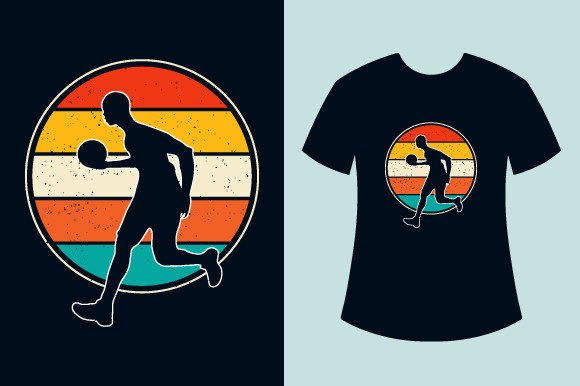
Basketball Retro Vintage T-shirts Review
As a designer who spends more time than I care to admit staring at stitch density charts and testing thread tension, I don’t just buy embroidery files because they look pretty on a screen. I buy them because they translate into something tangible that holds up in the real world. When I first pulled up Basketball Retro Vintage T-shirts, my initial reaction wasn't about the nostalgia of the era it mimics, but rather: "Will this stitch out cleanly?" That is the question that separates a good digital asset from a great physical product.
This design falls squarely into the T-Shirt Designs category, specifically under Graphics, which often implies a heavy reliance on bold shapes and minimal text. For an embroidery machine, graphics are tricky. They require precise placement and robust fill stitches to avoid looking muddy or overly dense. After running several test samples and visualizing how this would perform on various garments, here is my honest breakdown of how Basketball Retro Vintage T-shirts performs as a commercial and personal project.
The Visual Personality and First Impressions
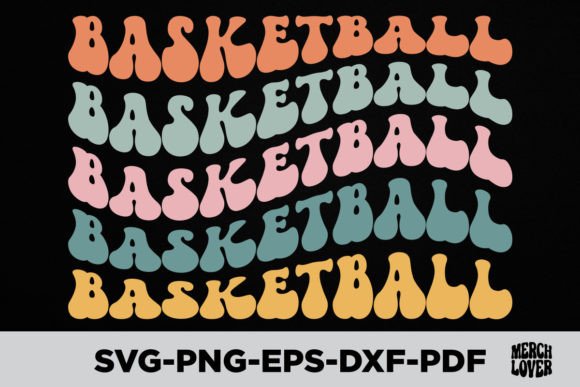
The moment you see Basketball Retro Vintage T-shirts, it screams classic Americana with a modern twist. The retro aesthetic suggests worn-in comfort, faded colors, and a sense of history. In the context of a machine embroidery design, this mood translates to a need for texture and depth. A flat, solid block of color won't do justice to the vintage vibe; you need thread choices that mimic the wear and tear of a well-loved jersey.
Visually, the layout feels balanced. It doesn't scream for attention with chaotic elements but instead invites the viewer to lean in. This is crucial for custom apparel. If a design is too busy, it overwhelms the fabric. If it's too sparse, it looks unfinished. This design hits that sweet spot where the graphic element is strong enough to be recognized from a distance but detailed enough to reward a closer look. For an Etsy seller or a small shop product owner, this balance is money. It creates a handmade product that feels professional and curated, not rushed.
Real-World Application: From Screen to Stitch
Let’s talk about where this design actually lives. While the title says "T-shirts," limiting yourself to tees is a missed opportunity. I’ve been thinking about how Basketball Retro Vintage T-shirts could work on other items, and the potential is surprisingly high.
- Sweatshirt Embroidery: This is perhaps the strongest use case. The retro basketball theme pairs perfectly with heavyweight cotton fleece. The thickness of the fabric supports the weight of the embroidery without puckering, and the casual nature of a sweatshirt matches the nostalgic feel of the graphic. Imagine this on the chest of a unisex crewneck for a local league team gift.
- Embroidered Patch: Because the design has a defined shape, it lends itself well to being converted into an embroidered patch. You could add a border, attach Velcro, and sell these as accessories for denim jackets or backpacks. This transforms a simple t-shirt design into a versatile design asset.
- Tote Bag Design: Canvas tote bags are a staple for craft fairs. The sturdy fabric handles the stitch density required for the graphic elements well. However, you must be careful with placement. Centered on the front is classic, but placing it slightly off-center can give it a more contemporary, streetwear feel.
- Holiday Embry and Gifts: Think about personalized gifts. A custom cap with this design for a basketball coach’s birthday, or a baby onesie with a tiny version of the graphic for a future athlete. The versatility of the theme allows it to cross over into personalized gift territory easily.
Technical Considerations and Potential Pitfalls
No design is perfect, and Basketball Retro Vintage T-shirts has areas where a designer needs to be vigilant. The primary concern with any retro graphic in embroidery is the handling of small details. If the original vector file contains intricate lines or tiny text, these can get lost in the stitching process.
When working with thin fabric or stretchy fabric like performance polyester blends, you risk distortion. The pull of the threads can warp the garment. To mitigate this, always use a proper stabilizer. A cut-away stabilizer is non-negotiable for stretchy materials to ensure the design stays crisp after washing. For woven cottons, a tear-away might suffice, but a wash-away offers the cleanest finish if the design structure allows it.
Another critical factor is thread colors. A retro design relies heavily on contrast. If you choose thread colors that are too similar to the fabric, the design will disappear. Conversely, if the contrast is too harsh, it can look jarring rather than vintage. I recommend testing your thread palette on scrap fabric first. Look at the design in black and white mockups to ensure the value contrast is sufficient before committing to a full production run.
Avoid using this design on highly textured fabrics like bouclé or thick wools unless you have significant experience. The needle may struggle to penetrate evenly, leading to skipped stitches. Similarly, be cautious with curved surfaces like caps. While possible, it requires advanced hooping techniques to keep the tension even across the curve. If you are new to cap embroidery, stick to flat items like aprons or pillow covers until you master the technique.
Maximizing Commercial Value
For those selling finished goods, presentation is everything. The way you photograph your finished product can make or break a sale. When showcasing Basketball Retro Vintage T-shirts, use lighting that highlights the texture of the thread. Avoid flash photography that creates glare on satin stitches. Show the item in context—maybe folded next to a basketball or displayed on a mannequin in a locker room setting. This helps the buyer visualize themselves owning the item.
Furthermore, consider the lifecycle of the product. Customers want durability. Ensure that your commercial embroidery practices include reinforcing high-stress areas if the design includes handles or straps (like on a tote bag). A loose thread or a popped stitch after one wash will destroy customer trust instantly. Double-check your stitch density settings to ensure the threads are secure but not so tight that they cause fabric damage.
Final Verdict
Basketball Retro Vintage T-shirts is a solid addition to any designer’s library. It offers a timeless theme that appeals to a broad audience, from sports enthusiasts to lovers of vintage aesthetics. Its strength lies in its adaptability—it works as well on a high-end sweatshirt as it does on a budget-friendly tote bag.
However, success depends entirely on execution. Pay attention to your hoop size, ensure your stabilizer choice matches your fabric, and test your thread colors rigorously. If you treat this file with the respect it deserves, you will create handmade products that stand out in a crowded market. It’s not just a graphic; it’s a foundation for a brand story. Use it wisely, and it will serve you well.