Long Live Cowboys: A Designer’s Review for Real Embroidery Projects
When I scroll through a fresh batch of digital design assets, my first instinct is always practical. I am not just looking at a pretty image; I am visualizing the needle movement, the thread tension, and the final stitch density on fabric. Most designs catch my eye for a second, but very few make me stop and think about how they will translate into a handmade product that holds up in the real world. That is exactly where Long Live Cowboys caught my attention. As an experienced designer evaluating this piece for potential client work and small business inventory, I wanted to break down its true potential, its limitations, and the specific scenarios where it shines brightest.
First Impressions: Mood and Visual Personality
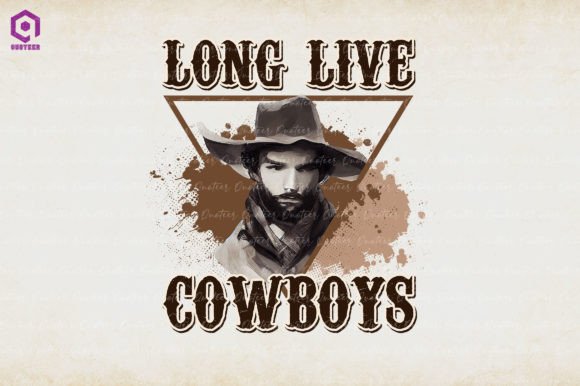
The moment you look at Long Live Cowboys, the vibe is unmistakable. It carries that distinct blend of vintage nostalgia and rugged Americana that has been trending heavily in the craft community. The title itself suggests a celebration of heritage, which immediately signals to me that this is not a fleeting trend but a timeless theme. For designers who specialize in western aesthetics or retro-inspired graphics, this design offers a strong foundation.
Visually, the layout feels balanced. It does not rely on cluttered details that might get lost during the digitizing process. Instead, it focuses on bold shapes and clear silhouettes. This clarity is crucial because it translates directly to stitching success. When I evaluate a machine embroidery design, I am always asking: "Will the customer see what they paid for?" With Long Live Cowboys, the answer is generally yes. The graphic nature of the source material—often found as a png or sublimation file—suggests a clean, high-contrast look that works exceptionally well when converted into thread. It feels confident, slightly rebellious, and deeply rooted in tradition, making it perfect for brands that want to project authenticity.
Real-World Application: Where Does This Design Fit?
Let’s move past the screen and talk about the hoop. I recently imagined using Long Live Cowboys for a custom order for a local boutique. The client wanted a line of apparel that felt personal yet professional. Here is how I see this design performing across different categories:
- Custom Apparel and Sweatshirts: This is the natural home for this design. Whether placed on the chest of a crewneck sweatshirt or centered on the back of a heavyweight t-shirt, the bold lines hold their own against textured fabrics like fleece or cotton blends. It adds immediate value to a basic garment, turning it into a statement piece.
- Tote Bags and Canvas Items: I often recommend this type of graphic for canvas tote bags. The durability of the fabric pairs well with the sturdy aesthetic of the cowboy theme. It creates a functional accessory that people are proud to carry, effectively serving as walking advertising for a brand.
- Baby and Nursery Decor: Surprisingly, this design can work beautifully for gender-neutral baby items. A soft, muted color palette applied to a baby bodysuit or a nursery pillow cover can create a charming, rustic look. It moves away from the typical floral or animal motifs and offers something unique for parents who love western themes.
- Embroidered Patches and Caps: For hat makers, this design provides excellent focal points. The structured shape allows for clean placement on the front panel of a baseball cap or a trucker hat. It appeals to a broad demographic, from outdoor enthusiasts to fashion-forward youth.
Furthermore, for Etsy sellers and craft fair vendors, Long Live Cowboys is a versatile asset. It fits seamlessly into holiday collections, particularly for Fourth of July gifts, Father’s Day personalized products, or autumn-themed merchandise. Its adaptability means you can use it year-round, maximizing your return on investment for the digital file.
Technical Considerations and Stitching Challenges
No design is without its challenges, and being honest about these helps build trust with your buyers. While Long Live Cowboys is visually striking, there are specific areas where a designer needs to exercise caution.
One of the primary concerns with any graphic-heavy design is stitch density. If the original artwork relies on fine lines or tiny text, those details can become muddy if the digitizer does not pay close attention to spacing. I advise testing the design on scrap fabric first to ensure that small details remain crisp. If the design includes intricate patterns within the cowboy imagery, you may need to adjust the fill stitch settings to prevent puckering, especially on thinner fabrics.
Fabric choice is equally critical. This design performs best on stable, medium-weight materials. Avoid using it on highly stretchy knits or loose-weave textures unless you are using a heavy-duty stabilizer. The vibration from the machine can cause distortion, ruining the sharp lines that make the design appealing. Additionally, be mindful of dark fabrics. While black thread on black fabric can look sleek, it lacks contrast. To maintain visual impact, consider using contrasting thread colors or applying the design over a lighter background layer.
Another technical note involves the transition between different stitch types. If the design incorporates both satin stitch borders and running stitch accents, ensure that the jump stitches are minimized. Excessive jump stitches can lead to a messy backside and potential thread breaks, which reflects poorly on the professionalism of the finished product.
Designing for Commercial Success
For those of you running a craft business or selling on platforms like Etsy, the presentation of your product is just as important as the embroidery itself. Long Live Cowboys lends itself well to high-quality mockups. Because of its strong graphic presence, it photographs beautifully. You can showcase it on a variety of items—from aprons to kitchen towels—to demonstrate versatility to potential buyers.
However, before you start producing, you must address licensing. Many digital downloads come as part of a ZIP file containing various formats, but the commercial rights can vary wildly. Always read the fine print. Are you allowed to sell unlimited physical items? Can you use this in digital products? Clarifying these terms protects your reputation and ensures you are operating ethically. If the license is unclear, reach out to the creator or assume it is for personal use only until proven otherwise.
Finally, consider the emotional connection this design fosters. People buy handmade goods for the story behind them. Long Live Cowboys evokes feelings of freedom, adventure, and heritage. When you market your finished products, lean into these emotions. Describe the craftsmanship, the care taken in stitching, and the quality of materials used. This approach builds customer trust and encourages repeat purchases.
Final Verdict
In conclusion, Long Live Cowboys is a robust, visually engaging design that offers significant value for embroiderers and designers. It bridges the gap between artistic expression and commercial viability. By paying attention to technical details like stitch density, fabric stability, and proper stabilization, you can transform this digital asset into a tangible, high-quality product that customers will love.
Whether you are creating a one-off gift for a friend or building a full collection for your online shop, this design deserves a spot in your workflow. Test it, refine it, and watch it bring a touch of western charm to your creative projects. Just remember to verify all file specifications and licensing agreements before you begin production to ensure a smooth and successful outcome.