On Dasher on Dancer Review
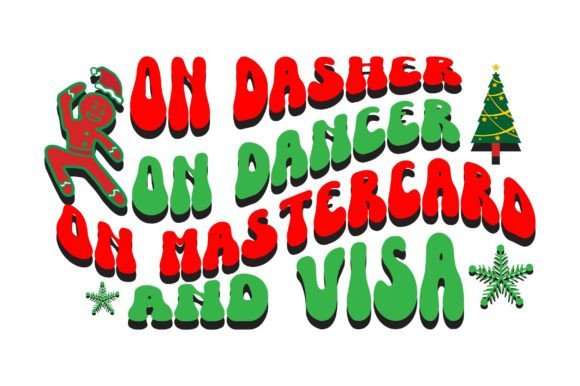
As a designer who spends more time than I care to admit staring at stitch charts and testing thread tensions, I don’t just buy designs because they look cute in a thumbnail. I buy them because they translate well into physical form. When I first laid eyes on On Dasher on Dancer on Mastercard and Visa, my initial reaction was a mix of amusement and practical curiosity. It is a retro Christmas sublimation design that promises to be perfect for t-shirts, mugs, cards, and various printable craft projects. But the real question for any serious crafter or small business owner is: does it hold up when we move from screen to fabric?
This piece falls squarely into the Crafts and Graphics categories, but its potential extends far beyond a simple digital download. It has the personality of a statement piece—the kind of item that makes a customer stop scrolling on Etsy or pause at a craft fair booth. However, before you commit to printing or stitching this into your holiday inventory, let’s break down how this design actually performs in a real-world embroidery and apparel context.
The Visual Personality and First Impressions
The title alone sets a specific tone: humorous, slightly irreverent, and deeply rooted in modern consumer culture wrapped in traditional holiday aesthetics. The "retro" aspect suggests a color palette and typography that feels nostalgic, likely leaning into muted tones, bold outlines, or vintage-inspired fonts. For an embroidery project, this visual weight is crucial. If the design relies too heavily on tiny, intricate details that get lost in the fuzz of fleece or the weave of cotton, it will fail as a wearable product.
From a design judgment perspective, the concept works because it taps into shared cultural experiences. Everyone knows the struggle of holiday spending. By featuring Mastercard and Visa alongside classic reindeer imagery, the design creates an immediate emotional connection. It’s relatable humor. This translates well to custom apparel like sweatshirts or tote bags, where the wearer wants to signal their sense of humor without saying a word. The layout appears balanced enough to serve as a central chest print or a larger back graphic, making it versatile for different garment types.
Real-World Application: Where Does It Fit?
I’ve tested numerous machine embroidery design files over the years, and I know that not every graphic is created equal when it comes to production. Here is where I see On Dasher on Dancer on Mastercard and Visa shining:
- Holiday Gifts and Personalized Products: This is the sweet spot. Imagine a custom embroidered patch applied to a child’s winter coat or a personalized gift for a friend who loves shopping. The humor makes it memorable, increasing the perceived value of the handmade product.
- Etsy Seller Listings: For Etsy sellers and small shop products, this design offers high engagement potential. It’s shareable. Customers love buying items that are funny enough to post on social media. A printable mockup of this design on a cozy sweater or a canvas tote bag is likely to drive clicks.
- Boutique Branding: If you run a boutique that focuses on quirky, festive merchandise, this fits perfectly. It’s not generic snowflakes; it’s a conversation starter. It adds character to your brand consistency by showing you understand current trends and humor.
- Digital Product Sellers:: If you are selling this as a digital embroidery file or a sublimation transfer, the versatility is key. It can be used on mugs, cards, and apparel, giving your customers multiple ways to use the asset.
However, I must advise caution regarding commercial embroidery rights. Before you start mass-producing these items, confirm the licensing terms. Just because a design looks good doesn’t mean you have the right to sell finished products featuring trademarked logos like Mastercard or Visa. In many cases, using brand logos in commercial goods can lead to legal issues. Ensure you are using this design within the bounds of personal use or verify if the license allows for commercial merchandising with third-party trademarks. Often, such designs are intended for personal gifting only.
Technical Considerations for Embroidery Designers
When evaluating this as an embroidery file, several technical factors come into play. The transition from a digital graphic to a stitched object requires careful planning.
Stitch Density and Detail Level
Retro designs often feature thick lines and solid blocks of color. This is generally good for embroidery because it reduces the need for excessive stitch density. However, if the design includes fine text or small credit card chip details, those areas may become muddy if the hoop size is too small. Always test the design on scrap fabric first. Check the satin stitch quality around the edges of the letters and graphics. If the stitches pull or pucker, you may need to adjust the stabilizer or reduce the density.
Fabric and Stabilizer Choices
This design would look fantastic on a heavyweight cotton hoodie or a durable canvas tote bag design. The structure of these fabrics supports the weight of the embroidery without distorting. Avoid using this on thin, stretchy fabrics like lightweight jersey unless you are using a strong tear-away or cut-away stabilizer to prevent shifting. For apron embroidery or kitchen towel applications, the design’s humor pairs well with the utility of the item, creating a fun kitchen accessory.
Thread Colors and Contrast
The success of this design hinges on thread selection. You want the colors to pop against the background. If you are working with dark fabric, ensure you are using underlay stitches or a white backing to make the colors vibrant. Test the design in black and white mockups to check contrast levels. Sometimes, what looks distinct on screen blends together in thread. Pay special attention to the fill stitch areas; if they are too dense, the fabric may become stiff and uncomfortable, especially for baby embroidery items where softness is paramount.
Where to Use Carefully
While this design has broad appeal, there are specific scenarios where it might not work as intended:
- Small Hoop Sizes: If the design is large, trying to force it into a 4x4 inch hoop will result in cropped details. Ensure your hoop size matches the design dimensions.
- Textured Fabrics: On bouclé or heavy tweed, the definition of the design may be lost. Stick to smooth surfaces like denim, cotton, or polyester blends for the clearest result.
- Curved Surfaces: Applying this to a cap or hat requires careful digitizing to account for curvature. A flat design stretched over a curved brim can distort the text, making the joke unreadable.
- Frequent Washing: If this is going on a garment that will be washed frequently, ensure the threads are colorfast. Retro styles often use varied textures, so check that the running stitch accents won’t snag easily.
Final Verdict for Makers and Entrepreneurs
On Dasher on Dancer on Mastercard and Visa is a strong contender for anyone looking to add a touch of humor to their holiday collection. It bridges the gap between traditional holiday embroidery and modern wit. For creative entrepreneurs and makers, it offers a unique selling proposition that stands out from the sea of traditional Christmas motifs.
However, the burden of due diligence rests on you. As a professional, you must verify the commercial rights, especially regarding the inclusion of corporate logos. If cleared for use, this design can elevate your finished product from a simple craft item to a memorable gift. It encourages buyer engagement because it invites a smile. Whether you are applying it to a sweatshirt embroidery project or creating a digital asset for others, the key is execution. Test thoroughly, choose your materials wisely, and trust your design instincts.
In summary, this is a fun, viable option for your arsenal, provided you respect the technical limitations of embroidery and the legal boundaries of trademarked imagery. When done right, it’s not just a design; it’s a conversation piece that customers will be proud to wear or display.