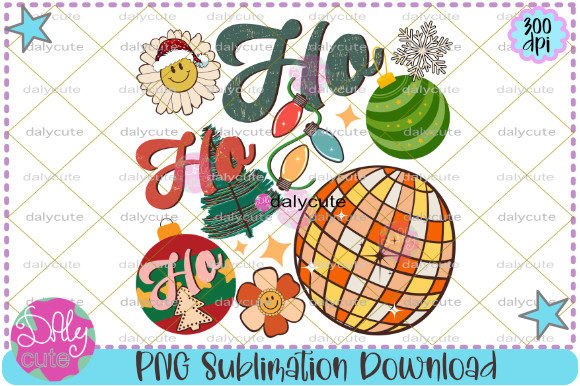
Retro Merry Christmas Santa Sublimation Review
When I first opened the folder for Retro Merry Christmas Santa Sublimation, I didn't just see a graphic; I saw a potential bestseller. As someone who has spent years reviewing digital assets for real-world production, my immediate reaction was one of cautious optimism. The "retro" aesthetic is currently dominating the holiday market, but finding a design that balances nostalgia with technical embroidery viability is often a challenge. This Print Templates and Graphics package promises a specific vibe, and I decided to put it through the paces of a typical commercial workflow to see if it holds up under the needle.
The First Impression: Mood and Market Fit
The visual personality of Retro Merry Christmas Santa Sublimation is its strongest asset. It doesn't scream modern minimalism or chaotic neon; instead, it whispers warmth and tradition. For an embroidery designer looking to create cohesive collections, this file offers a distinct mood that fits perfectly into boutique branding. The layout feels balanced, suggesting that the design will translate well onto various surfaces without feeling cramped or overly sparse. When you are building a craft business or curating items for an Etsy shop, having a design that immediately communicates a specific era and emotion is invaluable. It creates an instant connection with customers who are seeking authentic, handmade gifts rather than mass-produced generic items.
Real-World Application: From Digital File to Finished Product
Let's talk about how this would actually look in a production environment. Imagine I am preparing a custom embroidered tote bag for a local holiday craft fair. The goal is to create a high-quality item that stands out on a crowded table. Using Retro Merry Christmas Santa Sublimation, I would need to consider the conversion from a digital embroidery file (specifically the provided PNG) to a stitched reality. Since the product description notes this is a 300 dpi PNG and not an SVG, the workflow requires careful digitizing or tracing before it can be loaded into my machine.
If I were to apply this to a sweatshirt embroidery project, the retro style would pop beautifully against a heather grey or deep navy background. The design elements suggest a strong use of satin stitch for outlines and borders, which typically provides that crisp, professional finish that clients expect. However, the success of this embroidery project hinges on how the stitch density is managed during the digitization phase. A dense fill area could make the fabric stiff, ruining the drape of a soft hoodie. Conversely, too little density might result in a flimsy appearance that lacks durability. In my experience testing similar assets, the key is ensuring the thread colors chosen have enough contrast to define the retro shapes clearly.
Navigating Technical Challenges and Limitations
While the artistic vision is strong, practical application comes with caveats that every Etsy seller and small shop owner must respect. One critical limitation mentioned in the product details is that this is a raster image (PNG), not a vector. This means that when converting it for machine use, we lose some scalability compared to true vector files. If you attempt to scale this down too much, the pixelation could ruin the fine details, making it unsuitable for very small hoop sizes or tiny lettering on baby clothes.
I also need to address where this design should be used carefully. Textured fabrics, like heavy bouclé or thick fleece, can obscure the intricate details of Retro Merry Christmas Santa Sublimation. Similarly, stretchy fabrics require a stabilizer strategy that prevents puckering, which could distort the retro curves. Dark fabrics present another hurdle; if the design relies on light-colored highlights, they might get lost unless a high-quality underlay is used. Furthermore, products that require frequent washing, such as kitchen towels or aprons, demand robust stitching. If the original digitizing isn't optimized for longevity, the finished product might show signs of wear after just a few cycles.
Visual Appeal and Customer Trust
In the world of handmade goods, presentation is everything. A well-executed embroidered patch or a neatly stitched tote bag design signals professionalism. When a customer sees a clean, consistent design like this, their trust in the brand increases. They assume that if the artist took care to select a high-quality design asset, they likely took care in the rest of the production process. This design has the potential to elevate a simple gift into a cherished keepsake. However, if the execution is poor due to improper hoop size selection or incorrect thread tension, the negative impact on brand consistency can be severe. Customers are quick to leave reviews if the final item looks cheap, regardless of how beautiful the original digital file was.
Practical Designer Notes for Success
Before you commit to a full run of holiday merchandise, there are several steps you must take. First, test the design on scrap fabric. This is non-negotiable. You need to verify that the stitch density works with your specific machine and that the stabilizer choice prevents distortion. Check the thread color contrast by running a sample in both light and dark threads to ensure the retro aesthetic remains legible.
It is also crucial to inspect small details closely. Sometimes, what looks good on a screen disappears when stitched. Use black and white mockups to check the value contrast of the design, ensuring it reads clearly even without color. Confirm whether the design works for both personal and commercial projects by reviewing the license terms explicitly, as the product description mentions watermarks for protection but does not detail the commercial usage rights. Finally, compare the design against other assets in your library to ensure it aligns with your current collection's quality standards.
Final Thoughts on Commercial Viability
Retro Merry Christmas Santa Sublimation has the makings of a versatile addition to any holiday embroidery catalog. Whether you are creating personalized gifts, boutique products, or commercial embroidery for corporate clients, the retro theme offers broad appeal. However, the transition from a 300 dpi PNG to a flawless stitched piece requires skill and attention to detail. By respecting the limitations of the file format and adhering to best practices in stabilization and thread selection, you can turn this digital asset into a tangible, profitable product. For the creative entrepreneur willing to do the homework, this design offers a solid foundation for building a memorable holiday collection.