Review: Retro Halloween Embroidery Design
As a designer who spends more time than I care to admit staring at stitch density charts and testing thread tension, I approach every new digital asset with a healthy dose of skepticism. The market is flooded with generic clip art masquerading as professional embroidery files. That is why when I came across the Retro Halloween design, I decided to put it through its paces before recommending it to my network of small business owners and crafters. This isn’t just another vector graphic; it is a T-Shirt Designs category entry that claims to be ready for print and embroidery, but does it hold up under the needle?
First Impressions and Visual Personality
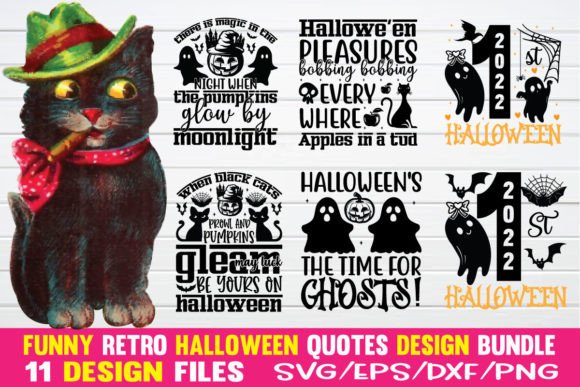
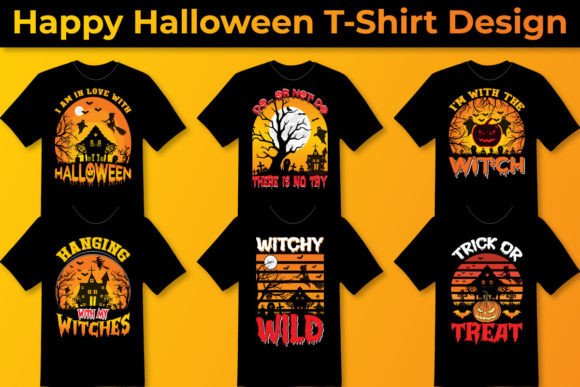
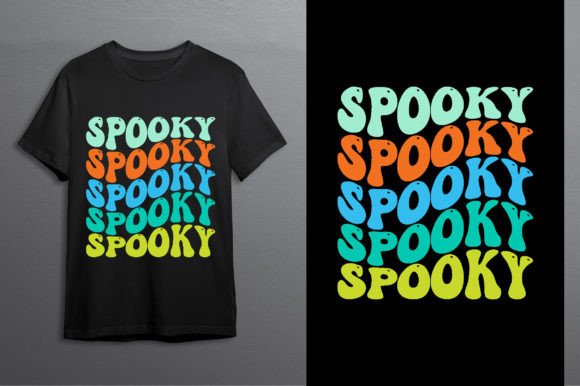
The moment you open the source file—available in AI or EPS formats—the vibe hits you immediately. We are not dealing with the scary, jagged aesthetic of modern horror. Instead, this design leans into a nostalgic, mid-century retro style. It feels warm, playful, and inviting. For an embroiderer, this is crucial because complex, overly detailed horror themes often translate poorly to fabric, resulting in muddy stitches or lost details. Retro Halloween, however, relies on bold shapes and clean lines that naturally lend themselves to machine stitching.
The visual personality suggests a product that would fit perfectly in a boutique setting or a curated Etsy shop. It screams "handmade gift" rather than "mass-produced novelty." When I looked at the 4500×5400 PNG preview, I could already see how the negative space would work with different thread colors. The layout is balanced, avoiding the common pitfall of overcrowding the hoop, which allows the eye to rest on the central motif without feeling cluttered by excessive decorative elements.
Real-World Application: From Screen to Stitch
I want to talk about where this design actually lives in the real world. Let’s say you are preparing for the upcoming holiday season. You have a client who wants a custom embroidered tote bag for their team, or perhaps you are creating a line of personalized gifts for local schools. Retro Halloween shines in these scenarios. Because the design is fully vector-based and 100% re-sizable, you can scale it down for a baby onesie or expand it for a large sweatshirt without losing any clarity.
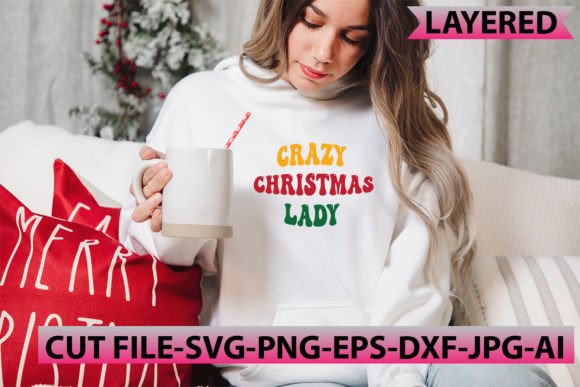
Imagine placing this on a cream-colored canvas tote bag using mustard yellow and deep orange threads. The contrast would be striking yet cozy. Or consider using it on a navy blue cap for a trick-or-treat outfit. The retro theme bridges the gap between traditional autumn aesthetics and modern minimalist trends, making it appealing to a broader audience than just those looking for spooky decor. It works equally well as a decorative accent on a kitchen towel or a patch for a denim jacket. The versatility here is high, provided you respect the limits of the medium.
Performance in Embroidery Situations
When evaluating a machine embroidery design, we look at how it translates from digital pixels to physical thread. This design excels in custom apparel and personalized gifts. Its clean geometry means that satin stitch borders will likely lay flat and crisp, while larger filled areas can handle fill stitch patterns effectively. For smaller business merchandise, such as Etsy listings for holiday embroidery items, this design offers a professional finish that elevates the perceived value of the item.
It also performs well as a digital embroidery file for creators who sell mockups. Since the source is available in AI/EPS, you can easily swap out colors to match seasonal palettes—think pastel purples for a softer look or bright neons for a pop-art twist. This adaptability makes it a strong asset for design assets libraries. Whether you are creating a printable mockup for a client or finalizing a finished product for a craft fair, the design maintains its integrity. It fits seamlessly into categories like baby embroidery (for safe, non-scary decor) or apron embroidery for home bakers.
Where Caution Is Required
However, no design is perfect for every surface. There are specific situations where Retro Halloween might struggle. If you are working with textured fabrics like heavy tweed or bouclé, the fine details may get lost in the weave. Similarly, on stretchy fabric without proper stabilization, the design could pucker, ruining the clean retro lines. I would advise against using this on very small hoop sizes if the design contains tiny lettering or intricate corner details that might become indistinguishable after stitching.
Also, consider the background color. On dark fabric, you will need to choose light thread colors carefully to ensure readability. While the design is 100 color changeable, poor contrast choices can make a great design look muddy. Avoid using this on curved surfaces like caps unless you have significant experience with curved hooping, as distortion can alter the symmetry of the retro shape. For products that require frequent washing, such as kitchen towels or tote bags, ensure your stabilizer removal is thorough to prevent stiffness.
Practical Designer Notes for Success
If you decide to incorporate this into your workflow, here is my practical advice based on real use:
- Test First: Always run a test stitch on scrap fabric that matches your final material weight. This helps you dial in your tension and see how the fabric texture interacts with the thread.
- Check Density: Review the stitch density in your software. If the fill areas are too dense, they may cause puckering. You might need to adjust the underlay stitches for better stability.
- Color Contrast: Test the design in black and white mockups within your editing software. This ensures that the value contrast is sufficient even before you commit to specific thread colors.
- Hoop Size Verification: Confirm that your machine’s hoop size accommodates the scaled version of the design. Don’t force a large design into a small hoop.
- Licensing Check: Before selling commercial embroidery items or distributing the file, double-check the license terms. The description mentions it is ready to print and vector-based, but commercial rights vary by creator.
- Stabilizer Choice: Use the appropriate stabilizer for your project type. Cut-away for stretchy garments like sweatshirt embroidery and tear-away for stable woven fabrics like cotton tees.
Final Verdict
Retro Halloween is a solid addition to any designer’s toolkit. It avoids the trap of being too trendy or too dated, striking a balance that appeals to both hobbyists and serious craft business owners. Its vector nature gives you freedom, and its aesthetic lends itself to high-quality embroidery projects. Just remember that good design is only half the battle; execution matters. With careful attention to fabric choice, thread selection, and stabilization, this design can help you create handmade products that customers love. It is a reliable, versatile, and visually pleasing option for anyone looking to add a touch of nostalgic charm to their small shop product lineup.