Tis the Season Mini Van Christmas Tree Review
As a designer who spends more time than I care to admit staring at stitch charts and troubleshooting tension issues, I have learned that not every graphic translates well into thread. There is a distinct difference between a design that looks cute on a screen and one that actually holds up under the needle of an embroidery machine. Today, I am putting Tis the Season Mini Van Christmas Tree through its paces. This piece falls squarely into the Crafts and Graphics categories, but for those of us in the handmade industry, it needs to be evaluated as a functional machine embroidery design first and a pretty picture second.
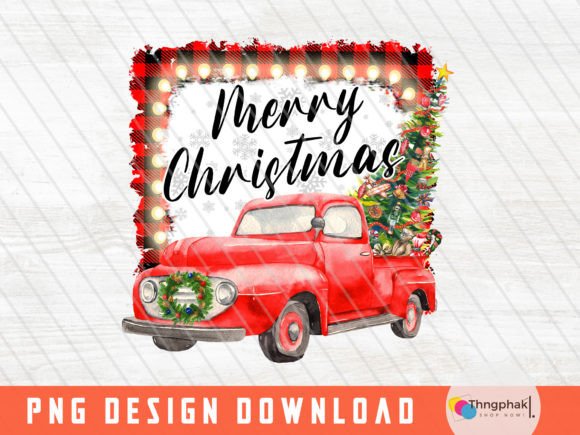
The retro aesthetic is undeniable. The concept—a classic mini van loaded with a Christmas tree—evokes a specific kind of nostalgia that resonates deeply during the holiday season. But does it work as a commercial asset? Can it drive sales for an Etsy seller or add value to a boutique inventory? Let’s break down the practical application of this embroidery file.
First Impressions and Visual Personality
When you first load this design into your digitizing software, the layout feels balanced. It isn’t cluttered, which is a common pitfall in holiday-themed designs where designers try to cram every possible ornament into the frame. The Tis the Season Mini Van Christmas Tree relies on strong silhouettes. The van itself provides a solid anchor, while the tree adds vertical interest without overwhelming the composition.
The mood is warm, approachable, and slightly whimsical. It doesn’t feel overly traditional or stiff; instead, it leans into the "retro Christmas" vibe that has been trending heavily in home decor and apparel lately. For a small shop product, this visual personality is gold. It suggests a brand that values craftsmanship and nostalgia, which helps build trust with customers looking for authentic handmade products. The design has enough detail to look professional but enough negative space to remain legible after stitching.
Real-World Application: From Screen to Stitch
I recently considered using this design for a custom order involving a cream-colored canvas tote bag. Here is how I analyzed the potential outcome before committing to the final run.
- Tote Bag Design Potential: The horizontal spread of the van fits perfectly across the front panel of a standard tote. Because the design isn't excessively dense, it won’t weigh down the fabric significantly, keeping the bag comfortable to carry. The retro colors would pop beautifully against natural canvas or a deep navy background.
- Sweatshirt Embroidery: This is another strong candidate. A crewneck sweatshirt in heather gray or burgundy would complement the vintage feel. However, placement is key here. Center-chest might feel too small for the detail level, so moving it to the upper left chest or even the back yoke could elevate the perceived value of the custom apparel.
- Baby Embryoidery: For onesies or burp cloths, this design offers a softer alternative to traditional Santa motifs. It feels gender-neutral and modern. When digitized correctly, the lines are clean enough to work well on the delicate fabrics often used for baby items.
Imagine a customer browsing an online store for a unique personalized gift. They see a mockup of a kitchen towel featuring this van. The immediate reaction is usually positive because it ties into the cozy, domestic rituals of the holidays. It’s not just a decoration; it’s part of a lifestyle. That emotional connection is what drives engagement for digital product sellers and physical goods creators alike.
Technical Considerations and Fabric Constraints
No design is perfect for every surface. As an experienced reviewer, I must highlight where Tis the Season Mini Van Christmas Tree requires careful handling. If you are planning to use this for an embroidered patch or a cap, you need to pay attention to the following factors.
Hoop Size and Stability: Ensure the design fits comfortably within your standard hoop sizes. If the van extends too close to the edge, you risk distortion. Always test on scrap fabric first to confirm the stabilizer choice matches your base material. For stretchy knits, like those found in t-shirts or hoodies, a cut-away stabilizer is non-negotiable to prevent puckering.
Stitch Density and Detail: While the overall density seems moderate, check the satin stitch areas around the text and the outline of the van. If the stitches are too dense, they can create a stiff, plastic-like feel that detracts from the quality of the finished product. Conversely, if they are too sparse, the underlying fabric may show through, especially on darker threads. Inspect the small details closely; tiny elements can get lost if the resolution isn't high enough or if the needle size is too large for the thread weight.
Fabric Texture: Avoid using this design on highly textured fabrics like heavy tweeds or loose-weave linens unless you are using a heavy-duty backing. The intricate lines of the retro van will get swallowed by the texture. Similarly, on very thin fabrics, the tension required to hold the design together might cause dimpling. For these cases, consider using a tear-away stabilizer and testing the thread colors against the fabric to ensure adequate contrast.
Commercial Viability and Brand Consistency
For the craft business owner, the question is always: "Will this sell?" The answer lies in versatility. This design bridges the gap between festive cheer and everyday style. It works for holiday embroidery projects but doesn't scream "seasonal clearance." This longevity increases the lifespan of your inventory.
When creating printable mockups for your listings, focus on how the design interacts with light and shadow. Does it look crisp on a white pillow cover? Does it stand out on a dark apron? Use black and white mockups to check the contrast levels. If the design loses its shape in grayscale, it likely lacks the structural integrity needed for high-quality embroidery.
Furthermore, consider the commercial embroidery aspect. Are you selling the finished goods, or are you selling the digital embroidery file to other makers? If you are selling digital assets, clarity is paramount. Your preview images must accurately represent the stitch work. Buyers are savvy; they want to know exactly what they are getting. Transparent communication about the design's capabilities builds long-term credibility.
Practical Designer Notes Before You Start
Before you commit to a full production run, follow these steps to ensure success:
- Test Run: Always stitch a sample on the actual fabric you plan to use. This reveals tension issues, color clashes, and stability problems that simulations cannot predict.
- Color Matching: Review the thread colors carefully. Retro palettes can sometimes clash if the shades aren't harmonious. Test light and dark backgrounds to see how the colors shift.
- Licensing Check: Confirm whether you have the right to sell finished items made from this design. Some graphics allow personal use only, while others permit commercial distribution. Protect your business by verifying these terms.
- Detail Inspection: Zoom in on the digitization. Look for any unnecessary jumps or trims that might affect the final look. Clean code leads to cleaner stitches.
In conclusion, Tis the Season Mini Van Christmas Tree is a solid addition to any designer’s library. It captures the spirit of the holidays with a modern, retro twist that appeals to a wide audience. By paying attention to technical details like stitch density and fabric compatibility, you can transform this graphic into a high-value embroidery project that delights customers and strengthens your brand identity. Whether you are decorating a nursery, outfitting a team, or stocking your Etsy shop, this design offers a reliable blend of charm and professionalism.