Vintage Retro Grunge Background Review
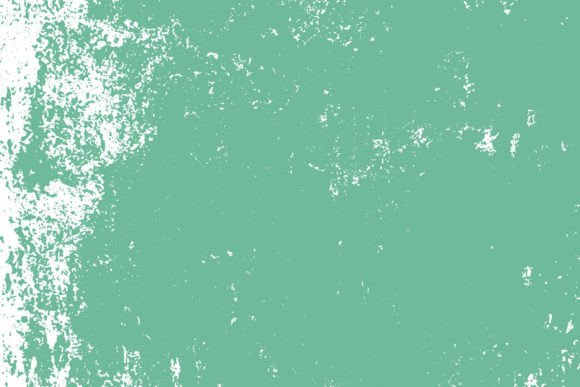
As a designer who spends more time staring at stitch charts and fabric swatches than sleeping, I have learned to be incredibly skeptical of any asset that promises "instant style." When I first pulled up the Vintage Retro Grunge Background, I wasn't looking for a pretty picture; I was looking for something that would survive the rigors of a hoop, a needle, and a washing machine. This is a 10-pack of retro grunge texture digital papers and vector illustrations, categorized under Textures and Graphics. But does it translate well when converted into a physical machine embroidery design? Let’s dig into the practical reality of using these assets in real-world projects.
The First Impression: Mood and Visual Personality
The immediate vibe of this collection is unmistakable. It leans heavily into the worn-in, lived-in aesthetic that has been dominating streetwear and boutique fashion for years. The textures aren't just noise; they have character. Whether it is a distressed stripe or a faded, weathered backdrop, the visual personality suggests durability and authenticity. For an embroidery project, this mood is crucial because it masks the inherent imperfections of stitching. Unlike a crisp, geometric vector that demands pixel-perfect execution, a grunge texture forgives minor tension issues or slight thread breaks. It feels organic, which makes it perfect for custom apparel where you want the garment to feel like a vintage find rather than a mass-produced item from a big-box store.
The layout of these designs varies, offering everything from subtle background washes to bolder, high-contrast patterns. This variety is a gift for designers trying to create unique small shop products. You aren't stuck with one repetitive look. Instead, you can curate a collection where each piece has its own distinct flavor of retro decay. It creates a sense of depth that flat colors simply cannot achieve, adding a layer of sophistication to what might otherwise be a simple tote bag design.
Real-Life Application: From Screen to Stitch
I recently tested this concept on a custom order for a client who wanted a series of embroidered patches for their new line of denim jackets. The goal was to create a handmade product that felt rugged yet stylish. We selected a few of the darker grunge textures from the pack and digitized them as background fills. The result was striking. The texture added weight and presence to the patch without overwhelming the central logo. It anchored the design, making it look intentional and professional.
This approach works exceptionally well for sweatshirt embroidery. Imagine a crewneck sweatshirt with a large, chest-sized graphic. By using a grunge texture as the base for the lettering or iconography, you break up the monotony of solid fill stitches. It catches the light differently depending on the angle, giving the finished product a dynamic quality that photographs beautifully for an Etsy listing or social media campaign. It elevates a basic hoodie into a statement piece.
Furthermore, these textures are incredibly versatile for kitchen towels and aprons. In a home setting, a pristine white towel can feel sterile. Adding a subtle retro grunge border or background element introduces warmth and personality. It aligns perfectly with the farmhouse chic and modern rustic trends that are popular among crafters and homeowners alike. It transforms a functional item into a decorative accent, increasing its perceived value as a personalized gift.
Where to Exercise Caution
However, not every texture translates seamlessly to thread. There are specific scenarios where the Vintage Retro Grunge Background requires careful consideration. First, avoid using overly complex grunge patterns in very small hoop sizes. If the details are too fine, the needle will struggle to differentiate between adjacent pixels, resulting in a muddy, indistinct blob. Always inspect small details closely before finalizing your digitization. If the texture relies on thin lines or tiny speckles, it may disappear entirely after stitching, leaving only a vague shadow.
Textured fabrics present another challenge. While a grunge design pairs aesthetically with rough linen or heavy canvas, the physical texture of the fabric can interfere with the stability of the stitches. On thick, nubby fabrics, you may experience puckering or uneven coverage. It is essential to use a proper stabilizer—often a cut-away type for stretchy or heavy materials—to ensure the design lays flat. Similarly, on thin or stretchy fabrics, the density of a grunge fill stitch can pull and distort the material, ruining the drape of a delicate baby embroidery item or a lightweight t-shirt.
Dense stitch areas should also be approached with caution. Grunge textures often imply a lot of visual information, which can lead to high stitch counts if not optimized. Excessive density can make a garment stiff and uncomfortable to wear. For commercial embroidery items that customers will wash frequently, excessive bulk can lead to premature wear or tearing of the fabric. Test the design on scrap fabric first to check how the thread colors interact with the underlying texture. Dark fabrics can sometimes swallow up lighter grunge tones, so contrast testing is vital.
Practical Designer Notes for Success
- Contrast is Key: Before committing to a full production run, review the design in black and white mockups. This helps you determine if the grunge texture provides enough contrast against your chosen background color. A low-contrast design will lack impact and fail to engage potential buyers.
- Hoop Size Matters: Confirm the hoop size requirements early. Large grunge backgrounds work best on standard medium-to-large hoops (e.g., 5x7 inches or larger). Trying to cram a detailed texture into a mini-hoop often results in lost detail and frustration.
- Stitch Type Optimization: Depending on the desired effect, consider using a combination of fill stitch for the main body and running stitch or satin stitch for outlining. This can help define edges and prevent the texture from bleeding into unwanted areas. An applique design approach might also work well, where the grunge texture is used as a backing for a separate appliqué shape.
- Licensing and Commercial Use: Since this is a digital asset pack, always confirm licensing terms before selling finished items. Ensure you have the right to use these graphics in your craft business and that you are not violating any restrictions on digital product sellers who might be creating printable mockups or design assets for others.
- Thread Selection: Choose thread colors that complement the muted, aged tones of the grunge texture. Metallic threads can add a surprising pop of modern flair against a vintage background, while matte cotton threads enhance the rustic feel. Avoid overly bright, neon threads unless you are aiming for a specific ironic aesthetic.
Final Verdict on Value and Appeal
The Vintage Retro Grunge Background pack offers significant value for designers looking to add depth and character to their portfolio. It solves a common problem: how to make digital designs feel tactile and real when stitched. By leveraging the forgiving nature of grunge textures, you can produce finished products that look professionally made even if the digitization isn't flawless. This builds customer trust and enhances brand consistency, as your items stand out in a crowded market of generic, clean-line designs.
For creative entrepreneurs and makers, this resource is a smart investment. It allows you to quickly generate variations of designs for different seasons, holidays, or themes without starting from scratch. Whether you are creating holiday gifts, wedding gifts, or everyday boutique branding items, the retro aesthetic provides a timeless appeal that resonates with a wide audience. Just remember to test rigorously, optimize your stitch density, and choose your fabrics wisely. When done correctly, this grunge background doesn't just sit on the fabric—it becomes part of the story of the garment itself.