Blue Background Line Pattern Review
When I sit down to evaluate a new digital asset for my embroidery studio, I am rarely looking for something that simply "looks nice." I am looking for viability. Does this design hold up under the needle? Will it translate well from a screen to fabric? And most importantly, will the end customer perceive value in the finished product? Today, I am putting Blue Background Line Pattern through that exact scrutiny. As an experienced designer who frequently bridges the gap between digital graphics and physical embroidery files, I view this piece not just as a decorative element, but as a potential cornerstone for several specific commercial and personal projects.
First Impressions and Visual Personality
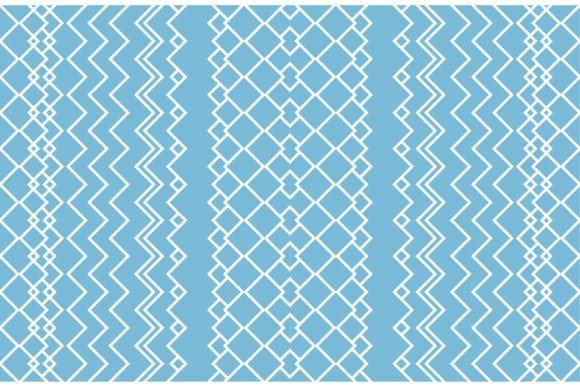
The moment you open the file, the mood is immediately established. The title suggests a cool, calming aesthetic, and the description confirms a rectangle background utilizing blue colors with a line square pattern ornament. Visually, this creates a sense of structure and calm order. It feels less like a chaotic burst of color and more like a sophisticated texture—similar to high-quality paper or architectural drafting. This is crucial because, in embroidery, texture often reads better than complex pictorial details on smaller garments.
As a Patterns category item within the broader Graphics type, its strength lies in its repeatability and its ability to serve as a backdrop rather than a focal point. The line work is clean, which is a double-edged sword in machine embroidery. Clean lines demand precision. If the digitization (or the conversion process) is sloppy, those sharp squares can look jagged or misaligned. However, if executed correctly, this design offers a modern, minimalist vibe that appeals heavily to current trends in home decor and boutique apparel.
Real-World Application: The Tote Bag Scenario
To truly test this design, I imagine placing it on a standard canvas tote bag—a staple for any craft business or Etsy seller. Imagine a deep navy or royal blue canvas. Applying the Blue Background Line Pattern here creates a tonal effect. The eye is drawn to the subtle contrast of the lighter blue lines against the darker fabric. This is a classic technique used by high-end brands to create a "quiet luxury" aesthetic. It doesn’t scream for attention; it whispers sophistication.
For a custom apparel project, such as a sweatshirt, this pattern works exceptionally well as an all-over print simulation or as a large panel on the front. The rectangular nature of the design allows it to fit neatly within standard hoop sizes without awkward cropping. When customers see a handmade product that features such structured, geometric consistency, it signals quality. It suggests that the maker paid attention to alignment and detail. For a small shop product aimed at professionals or students, this design hits the right note of productivity and style.
Nursery and Home Decor Potential
Beyond apparel, this design shines in the realm of home goods. A pillow cover embroidered with this line pattern brings a contemporary edge to a living room. Similarly, for kitchen towels or tea towels, the blue tones evoke cleanliness and freshness. The square motif mimics tiles or grid layouts, which are timeless in interior design. If you are creating holiday gifts or wedding gifts, this neutral yet colorful palette is versatile enough to fit almost any theme, unlike designs tied to specific seasons or characters.
Technical Performance and Stitching Considerations
Transitioning from concept to execution requires careful planning. The description notes that the file is in high resolutions at 300dpi, which is excellent for reference, but embroidery relies on vector-like precision in stitch paths. Here are the practical considerations for using this machine embroidery design:
- Stitch Density: The line patterns likely utilize a combination of satin stitch for borders and fill stitch or running stitch for the internal lines. You must ensure the density is appropriate for your fabric. Too dense, and the fabric pucks; too sparse, and the backing shows through.
- Thread Colors: The success of this design hinges on thread selection. Since the description mentions "blue colors," you have flexibility. Using a monochromatic scheme (different shades of blue) creates depth. Alternatively, contrasting white or silver threads on a dark blue background can make the geometry pop. Always check thread colors against your actual fabric swatch before committing to a full run.
- Hoop Size and Stability: Because this is a rectangular design, it may require a larger hoop to accommodate the full width. Ensure your machine’s hoop size can handle the dimensions. Furthermore, use a proper stabilizer. For woven fabrics like cotton or linen, cut-away stabilizer is recommended to prevent distortion over time. For knits, tear-away might suffice for small patches, but wash-away could be better for delicate items.
Where to Exercise Caution
No design is universally perfect, and Blue Background Line Pattern has specific limitations where it should be used carefully. Avoid attempting this on highly textured fabrics like heavy chenille or bouclé, as the intricate line details will get lost in the nap of the material. Thin fabrics also pose a risk; without adequate stabilization, the tension required for the square patterns can cause puckering.
Additionally, be mindful of stretchy fabrics. While possible, embroidery on stretchy materials like jersey or spandex blends requires specialized techniques (like water-soluble topping or strong stabilizers) to maintain the geometric integrity of the lines. If the lines warp during stitching, the entire professional appearance of the embroidery project is compromised. Also, avoid using this on curved surfaces like caps unless the design is specifically digitized for curvature, as straight lines will appear distorted on a rounded brim.
Commercial Viability and Brand Consistency
For the creative entrepreneur or digital product seller, this asset offers strong commercial potential. Its clean aesthetic aligns well with modern branding. It is suitable for personalized products where the name or text is placed within or alongside the pattern, creating a cohesive look. The design supports brand consistency because it is not overly trendy; geometric lines remain relevant across years, meaning your inventory won’t look dated quickly.
When creating printable mockups or design assets for your online store, this pattern provides a professional backdrop that makes other elements stand out. It enhances buyer engagement by suggesting a thoughtful, curated collection rather than a rushed production. For commercial embroidery clients who need subtle branding on uniforms or corporate gifts, this design offers a premium feel without being distracting.
Final Verdict and Next Steps
In conclusion, Blue Background Line Pattern is a versatile, high-quality graphic that translates beautifully into embroidery when handled with technical care. It is ideal for tote bag design, sweatshirt embroidery, and home decor items where a modern, structured look is desired. It builds customer trust through its clean execution and adds perceived value to any finished product.
Before incorporating this into your workflow, I strongly advise testing the design on scrap fabric first. Check the stitch density and inspect small details for clarity. Confirm whether the file includes the necessary digitization for your specific machine or if it requires conversion. Finally, verify licensing terms to ensure you are compliant for both personal and commercial projects. If you approach this design with the respect its geometry demands, it will become a reliable staple in your creative arsenal.