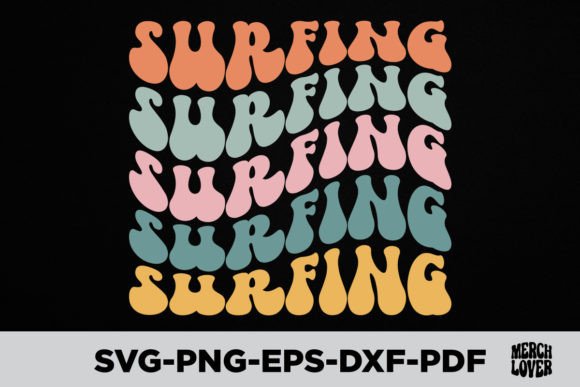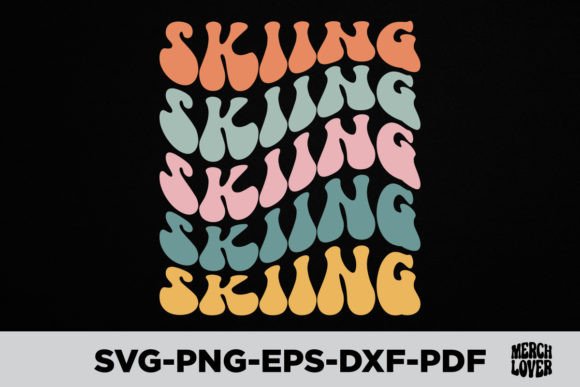
Retro Groovy Skiing T-Shirt Design
I have spent years stitching, designing, and reviewing digital assets for the embroidery community. When I first opened the file for Retro Groovy Skiing T-Shirt Design, my immediate reaction was a mix of nostalgia and practical curiosity. It captures that specific 70s aesthetic with its bold curves and vibrant energy, but as a professional reviewer, my mind immediately shifts from "how cool this looks" to "how will this hold up on the hoop?" This review is not just about the visual appeal; it is about how Retro Groovy Skiing T-Shirt Design translates from a vector screen into a tangible, high-quality finished product.
The First Stitch: Visual Personality and Mood
The design exudes a playful, carefree vibe that feels perfectly suited for winter sports enthusiasts or anyone who loves a dash of retro flair. The groovy lines suggest movement, which is essential when translating a static image into thread. Unlike stiff, geometric patterns, this design invites the eye to follow the flow of the skier. For a small business owner or Etsy seller, this personality is gold. It transforms a simple embroidered patch or tote bag into a conversation starter. The layout is balanced enough to work well on various items without feeling cluttered, making it an excellent candidate for custom apparel where branding or personalization often competes for space.
However, the "groovy" nature implies some fluidity in the shapes. In embroidery, fluid shapes can sometimes lose definition if the stitch density is too low or if the fabric stretches during the process. I found that the design's strength lies in its ability to look intentional even at smaller scales, provided you respect the limitations of your machine and materials.
Real-World Application: From Concept to Finished Product
To truly test Retro Groovy Skiing T-Shirt Design, I imagined placing it on a few different projects that are popular in the craft market today. Let's say you are preparing a batch of holiday gifts for a boutique client. You choose a heavy cotton canvas tote bag. The retro skiing theme fits perfectly with a winter gift guide. Because the design is scalable (as noted in the SVG file description), it can be resized to fit the center of the bag without losing its character.
But what about a sweatshirt? Embroidering on fleece or heavy knit requires careful tension control. If you use Retro Groovy Skiing T-Shirt Design on a dark-colored sweatshirt, the contrast becomes the star of the show. The bold outlines would pop against a navy or black background, creating a striking visual that customers love. However, if you plan to use this on baby clothes, the delicate nature of infant skin means you must ensure the backing stabilizer is soft and the stitches aren't too dense. A stiff back on a onesie can ruin the comfort factor, so testing is non-negotiable here.
I also considered using this design for an embroidered patch to sell as a standalone accessory. The clean lines of the skier allow for a crisp border, which is crucial for patches that need to be ironed or sewn onto jackets. The groovy elements add a unique twist that separates it from generic ski club logos, giving it a distinct commercial edge.
Navigating Challenges: Where Caution is Key
While the design is versatile, there are specific scenarios where Retro Groovy Skiing T-Shirt Design might require extra attention. Small hoop sizes are a common pitfall. If you attempt to stitch this on a cap or a very small item like a hat brim, the details might get lost. Curved surfaces like caps demand a specialized approach; if the design isn't digitized specifically for curvature, the straight lines of the skier could warp unnaturally.
Textured fabrics present another hurdle. On a rough tweed or a heavily woven linen, the satin stitches used for the outlines might not lay flat, leading to a messy appearance. Similarly, stretchy fabrics like jersey or spandex blends need a strong tear-away or cut-away stabilizer to prevent puckering. Without proper stabilization, the dynamic curves of the groovy design could distort, turning a fun image into a wavy mess after washing.
Dense stitch areas should also be monitored. If the design includes thick fill stitches in the clothing or equipment of the skier, ensure your thread count matches the fabric weight. Too much thread on thin fabric creates a bulky ridge that feels uncomfortable and looks unprofessional. Always check the stitch density before committing to a full production run.
Impact on Brand Value and Customer Trust
In the world of handmade goods, the quality of the embroidery speaks volumes about the creator. A sharp, well-executed Retro Groovy Skiing T-Shirt Design builds trust. Customers associate clean lines and consistent thread colors with professionalism. When a buyer sees a crisp, colorful embroidery on a personalized gift or a custom apron, they perceive higher value. Conversely, skipped stitches or misaligned threads can make even the best design look cheap.
This design has strong potential for brand consistency. Whether you are selling on Etsy or running a local craft fair, the retro theme offers a cohesive look across different products. Imagine matching the tote bags with kitchen towels and pillow covers, all featuring the same groovy skier. This uniformity helps create a recognizable brand identity. Furthermore, the design's fun nature makes it highly giftable, increasing the likelihood of repeat purchases and word-of-mouth referrals.
Practical Designer Notes for Success
Before you load your machine, there are several critical steps to ensure success. First, always test the design on scrap fabric that mimics your final project material. This allows you to adjust thread tension and stabilizer type without wasting inventory. Check the thread color contrast carefully; while the design looks great digitally, certain colors might blend together under natural light or appear muddy on specific fabric backgrounds.
Review the stitch density within the file. If the design is too dense, consider reducing the fill percentage slightly to improve texture and reduce bulk. Confirm your hoop size matches the design dimensions; forcing a large design into a small hoop can cause alignment issues. Inspect small details closely to ensure they are not too fine for your needle gauge. Using a larger needle might be necessary to accommodate thicker threads or denser fills.
It is also wise to test the design in black and white mockups. This helps visualize how the design will hold up if printed on merchandise other than t-shirts, such as decals or poster cards. Compare the look on both light and dark fabrics to determine if you need to add a backing layer or change thread colors for optimal visibility.
Finally, remember to use the proper stabilizer for the fabric type. Tear-away works well for stable fabrics, while cut-away is better for stretchy materials. Verify whether the license terms allow for commercial use if you plan to sell finished items or the digital files themselves. Do not assume the license covers all uses; read the fine print regarding resale rights.
By approaching Retro Groovy Skiing T-Shirt Design with these practical considerations in mind, you can transform a simple graphic into a stunning, market-ready embroidery project. Whether you are creating a custom piece for a friend or building a line of boutique products, this design offers a solid foundation for creativity and profit. Happy stitching!