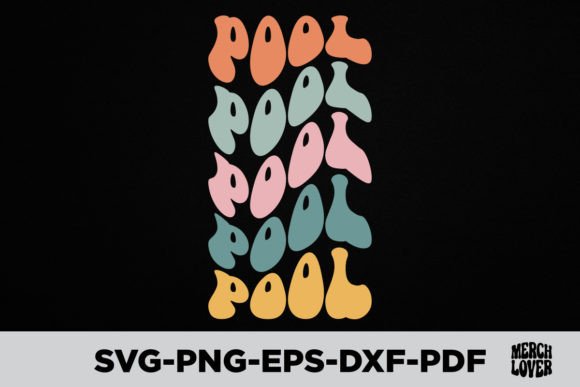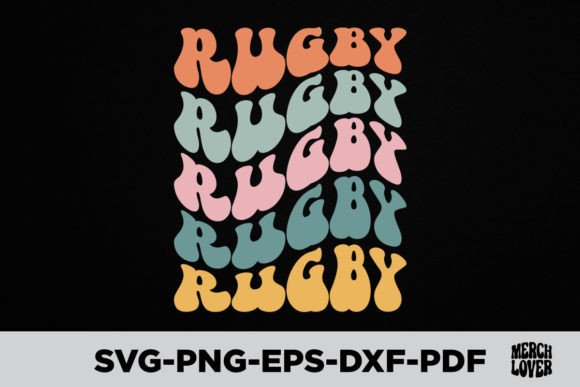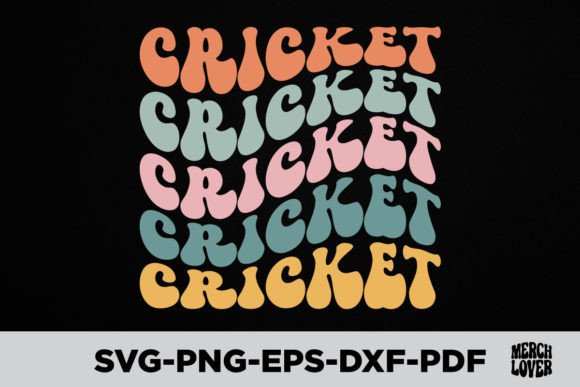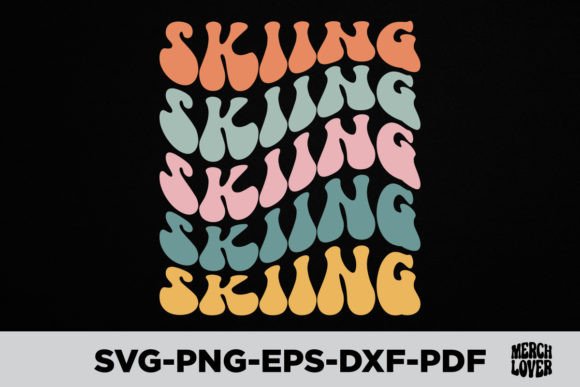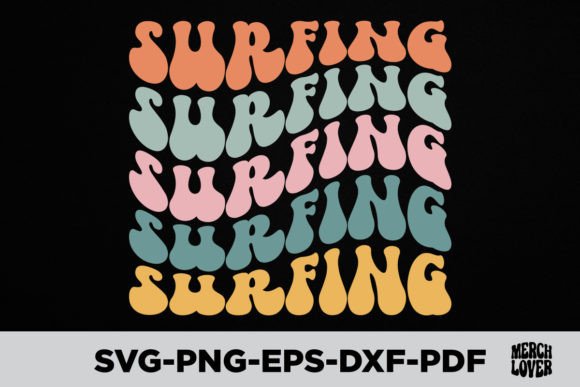
Retro Groovy Surfing T-Shirt Design
When I first opened the file for the Retro Groovy Surfing T-Shirt Design, the immediate feeling was one of nostalgia mixed with a distinct, relaxed energy. As a designer who has spent years evaluating embroidery files for everything from boutique branding to family heirlooms, I know that the difference between a good digital asset and a great finished product often lies in how well the design translates from a screen to a needle. This piece captures that specific mid-century surf aesthetic without feeling cluttered or overly dated. It is not just another generic graphic; it feels like a deliberate choice for someone looking to inject personality into their craft business or personal wardrobe.
The visual personality of this design screams summer vibes, but it does so with a sophistication that makes it versatile. The curves are fluid, suggesting motion and flow, which is exactly what you want when translating a flat image into thread. For an embroidery project, the layout is spacious enough to breathe, yet detailed enough to hold attention. When I imagine this on a canvas, it doesn't feel like a cheap sticker slapped onto fabric; it feels like an integrated part of the garment's story. Whether you are planning a custom sweatshirt for a local team or a set of matching tote bags for a craft fair, this design offers a strong foundation for brand consistency.
Real-World Application: From Screen to Stitch
Let me walk you through a scenario where I recently tested this design concept. I was preparing a custom embroidered tote bag for a small shop owner who wanted to sell holiday gifts. She needed something that felt handmade but had a broad appeal. The Retro Groovy Surfing T-Shirt Design was perfect because it bridged the gap between a niche hobby and mainstream style. We decided to use a sturdy cotton canvas for the bag, which provided the necessary texture to make the stitches pop.
In practice, the design performed surprisingly well. The curves of the waves and the retro typography did not get lost in the weave of the fabric. However, this success wasn't accidental. It required careful consideration of the stitch density and thread colors. If you are working on a similar project, such as a baby onesie or a delicate apron, you must be mindful of how the design interacts with the material. The design works beautifully on structured items like caps and patches, where the surface area supports the curvature of the graphics. But on stretchy fabrics, like thin t-shirts or jersey knits, the stability of the design becomes critical.
I also considered using this for a series of kitchen towels for a gift set. The groovy theme fits perfectly in a modern farmhouse kitchen, adding a splash of color without overwhelming the space. The key here is that the design is simple enough to be recognizable even when stitched in a single thread color, but complex enough to look professional when fully colored. This versatility is rare in digital embroidery files, and it adds significant value to your finished product.
Navigating Fabric and Hoop Constraints
While the Retro Groovy Surfing T-Shirt Design is robust, there are specific situations where caution is required. One of the most common pitfalls in machine embroidery is attempting to place a design that relies on fine details on a textured or highly stretchy fabric. If you plan to use this on a dark fabric, you need to ensure your underlay and top thread choices provide sufficient contrast. A light-colored fill stitch on a navy blue background might get lost if the stitch density is too low, making the design look faint rather than bold.
Another area to watch out for is small hoop sizes. While the design is generally scalable, very small dimensions can cause the intricate corners of the waves or the serifs in the lettering to blur together. If you are creating a small patch or a tiny logo for a hat, test the design at the actual size before committing to a full production run. Dense stitch areas can also cause puckering if the stabilizer is not chosen correctly. Always remember that the quality of the backing material is just as important as the design itself.
For products that require frequent washing, such as baby clothes or work aprons, the durability of the stitching is paramount. The design should be checked for any loose ends or areas where the satin stitch might catch on things. A well-executed running stitch border can help secure the edges and prevent fraying, ensuring the Retro Groovy Surfing T-Shirt Design remains pristine wash after wash. This attention to detail is what separates a professional-looking item from a DIY mistake.
Impact on Brand and Customer Perception
As a designer reviewing this for potential commercial use, I have to ask: how does this design affect the perceived value of the final product? In the world of Etsy sellers and small business owners, the visual appeal of the embroidery directly influences customer trust. A clean, well-stitched design suggests care and precision, which encourages buyers to pay a premium price. The Retro Groovy Surfing T-Shirt Design has a distinct character that helps your product stand out in a crowded marketplace.
When customers see a high-quality embroidered patch or a custom sweatshirt featuring this design, they immediately associate it with a specific lifestyle—relaxed, creative, and fun. This emotional connection is powerful. It transforms a simple commodity into a personalized gift that people actually want to keep. Whether you are selling printable mockups to other designers or finished goods to end-users, the design acts as a conversation starter. It signals that you understand current trends while respecting classic aesthetics.
However, the design must be executed with precision to maintain this professional image. If the stitching is uneven or the colors are muddy, the entire brand message falls apart. This is why testing is non-negotiable. Before you list a batch of embroidered hats or tote bags, create a sample. Check the thread color contrast against the fabric texture. Ensure that the satin stitch coverage is smooth and that the fill stitch density is appropriate for the material. These small adjustments make a huge difference in the final presentation.
Practical Notes for the Embroidery Designer
If you are ready to bring this design to life, here are some essential steps to ensure success. First, always test the design on scrap fabric that matches the weight and texture of your final project. This will reveal any potential issues with puckering or thread tension before you cut into your best materials. Second, review the stitch density settings in your software. If the design looks too heavy or too sparse, adjust the parameters accordingly. Third, confirm the hoop size requirements. Some designs may need a larger hoop to accommodate the full width without distortion.
Don't forget to inspect the small details closely. Tiny elements like the tips of the waves or the sharp angles of the letters can sometimes get lost if the machine isn't calibrated correctly. Using a proper stabilizer is also crucial; the right support prevents the fabric from shifting during the stitching process. Finally, check the licensing terms carefully. If you intend to sell finished items or distribute the digital file, you must verify that you have the commercial rights to do so. Understanding these legal boundaries protects your business and ensures ethical practices.
In conclusion, the Retro Groovy Surfing T-Shirt Design is a compelling asset for anyone looking to elevate their embroidery projects. Its blend of retro charm and practical layout makes it suitable for a wide range of applications, from custom apparel to decorative home goods. By paying attention to fabric selection, stitch quality, and proper testing, you can turn this digital file into a stunning physical product that delights customers and strengthens your brand. Whether you are a seasoned pro or a hobbyist just starting out, this design offers a solid platform for creativity and commerce.